
Requirements vary depending on the type of application, pesticide, applicator, and jurisdiction, so always verify the recordkeeping requirements that apply to your operation.
What Information Should a Pesticide Application Record Include?
The information you need to record will depend on the applicable regulations and pesticide label. However, a useful pesticide application record commonly includes information such as:
- Date and time of application
- Application location
- Crop, site, or area treated
- Size of the treated area
- Pesticide product or brand name
- EPA registration number, when applicable
- Application rate
- Amount of product used
- Applicator name
- Applicator certification or license information, when applicable
- Application equipment
- Target pest or vegetation
- Weather conditions
- Relevant notes about the application
Federal, state, tribal, and local requirements may specify additional information. Recordkeeping obligations can also vary depending on whether the application is agricultural, commercial, governmental, or performed under another regulated use category.
Why Keep Detailed Pesticide Application Records?
A record that satisfies a minimum requirement may not necessarily contain everything that will be useful to you later.
Detailed records can help answer questions such as:
- Where exactly did we treat?
- Which product and application rate did we use?
- How much pesticide did we use during a particular period?
- Who performed the application?
- What equipment was used?
- What were the conditions at the time?
- When was this location last treated?
That historical information can be useful for planning future work, preparing reports, responding to customer questions, and reviewing previous treatments.
Paper, Spreadsheets, or Digital Records?
There is no single recordkeeping method that is right for every operation.
For an individual applicator making relatively few applications, a paper form or spreadsheet may be perfectly adequate.
As the number of applications, locations, customers, or applicators grows, however, manual systems can become more difficult to manage. Records may be stored in different files, treatment maps may be separate from application details, and finding one particular application months later can take time.
That is when a dedicated digital recordkeeping system can become useful.
Do Not Forget the Treatment Location
The location of an application can be one of the most valuable parts of the record.
A written description such as “North ROW,” “Field 3,” or “West Entrance” may make perfect sense on the day of the application. Months or years later, or to someone who was not there, it may be much less clear.
Digital mapping allows the application record and the treatment location to remain connected.
GPS and GIS mapping can be particularly useful for roadside vegetation management, noxious weed treatment, public lands, farms, large campuses, golf courses, and other operations where applications occur across many different locations.
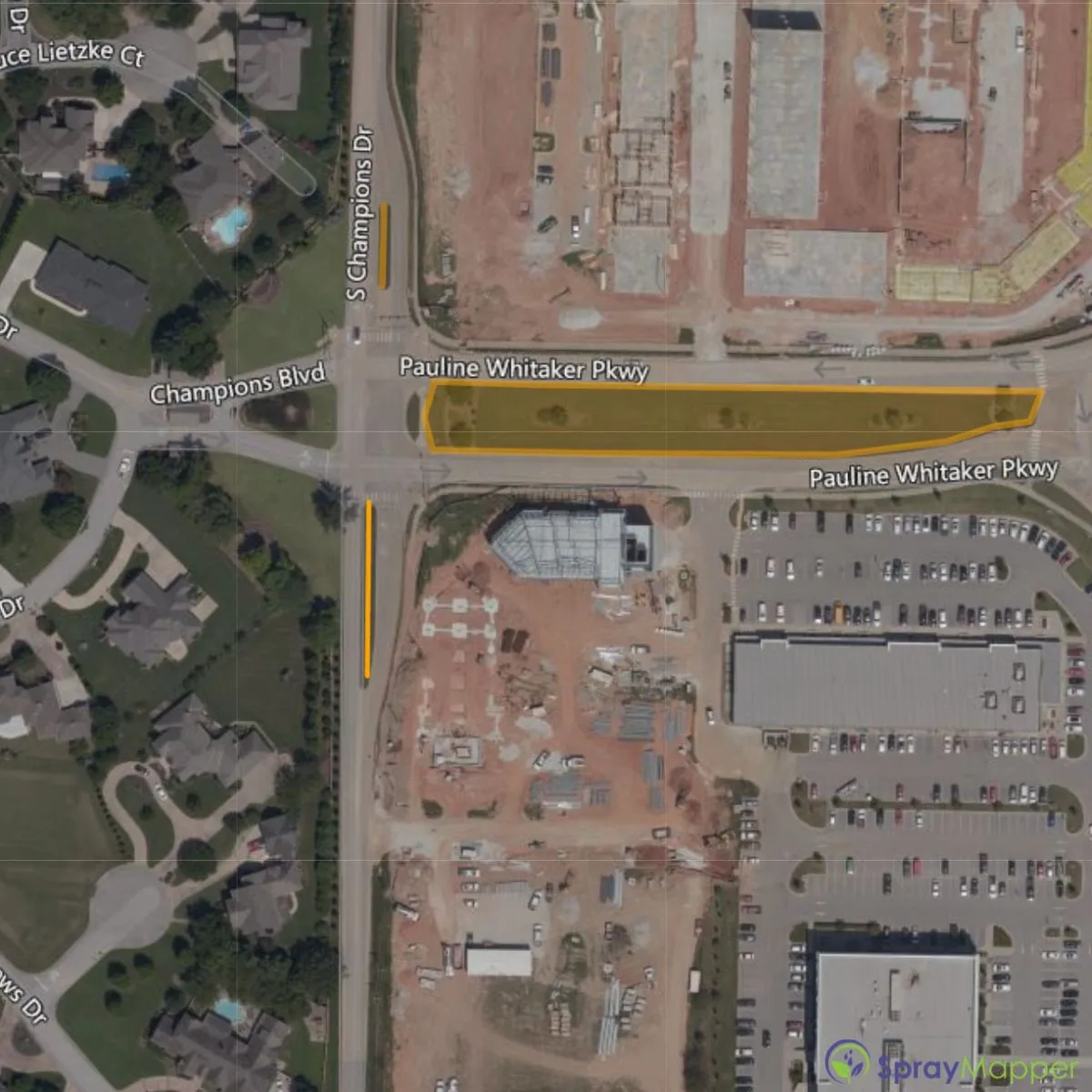
Keeping the treatment map with the application record makes it easier to identify exactly where an application occurred.
Make Records Easy to Find Later
Creating a good application record is only half the job. You also need to be able to retrieve it.
A useful recordkeeping system should make it practical to look back at previous applications by information such as date, location, applicator, customer, or treatment site.
Consider how your current system would handle a simple request:
Can you show me the application we made at this location six months ago?
If answering that question requires searching through notebooks, folders, spreadsheets, and separate maps, your recordkeeping process may have outgrown the tools you are using.
Consider What You Need to Report
Different organizations use pesticide application records in different ways.
A custom applicator may need to provide a customer with documentation of completed work. A vegetation management program may need to review treatments at a particular location. A farm may want historical spray records. A manager may need to determine how much of a particular pesticide was used during a given month.
Thinking about how the information will eventually be used can help determine what should be recorded at the time of application.
From Spray Record to Treatment History
The most useful application records do more than document an isolated event.
Over time, organized records create a history of what happened at each treatment location. That history can help an organization understand previous applications without relying on someone’s memory.
The goal is not simply to collect more information. It is to make the information you already need to record organized, searchable, and useful later.
Making Pesticide Application Recordkeeping Easier
SprayMapper is designed to help applicators create digital pesticide application records, map treatment areas with GPS/GIS, track pesticide usage, and retrieve previous applications from a phone, tablet, or computer.
Instead of keeping application details in one place and treatment maps somewhere else, SprayMapper keeps the information connected.
Spray. Map. Report.
Try SprayMapper free for 30 days. No credit card required.